
Christmas and New Year's Traditions in France vs the United States. Unique Customs and Celebrations
The holiday season brings a special kind of magic around the world, but the way people celebrate Christmas and New Year's varies widely. France and the United States, two countries with rich cultural histories, offer fascinating contrasts in their holiday customs. From festive foods to family gatherings and local festivities, exploring these differences reveals how traditions shape the spirit of the season in unique ways.
Christmas Celebrations in France
Christmas in France is deeply rooted in religious and regional traditions, blending solemnity with joyful festivity. The season officially begins on December 6th with Saint Nicholas Day in some regions, but the main celebrations focus on Christmas Eve and Christmas Day.
Family Gatherings and Midnight Mass
French families often gather on Christmas Eve for a special meal called Le Réveillon. This late-night feast can last for hours and includes multiple courses featuring luxurious dishes. After the meal, many attend Midnight Mass, a tradition that emphasizes the religious significance of Christmas.
Traditional Foods
French Christmas cuisine varies by region but shares some common highlights:
Foie gras: A rich duck or goose liver pâté often served as an appetizer.
Oysters and seafood: Particularly popular in coastal areas.
Roast turkey or capon: Frequently served as the main course.
Bûche de Noël: A yule log-shaped cake made of sponge cake and buttercream, symbolizing the traditional log burned in the hearth.
These dishes reflect the French love for gourmet food and careful preparation.
Decorations and Festivities
French homes are decorated with nativity scenes called crèches, often elaborate and including figurines of villagers and animals. Christmas trees are common but tend to be more modest than in the U.S.
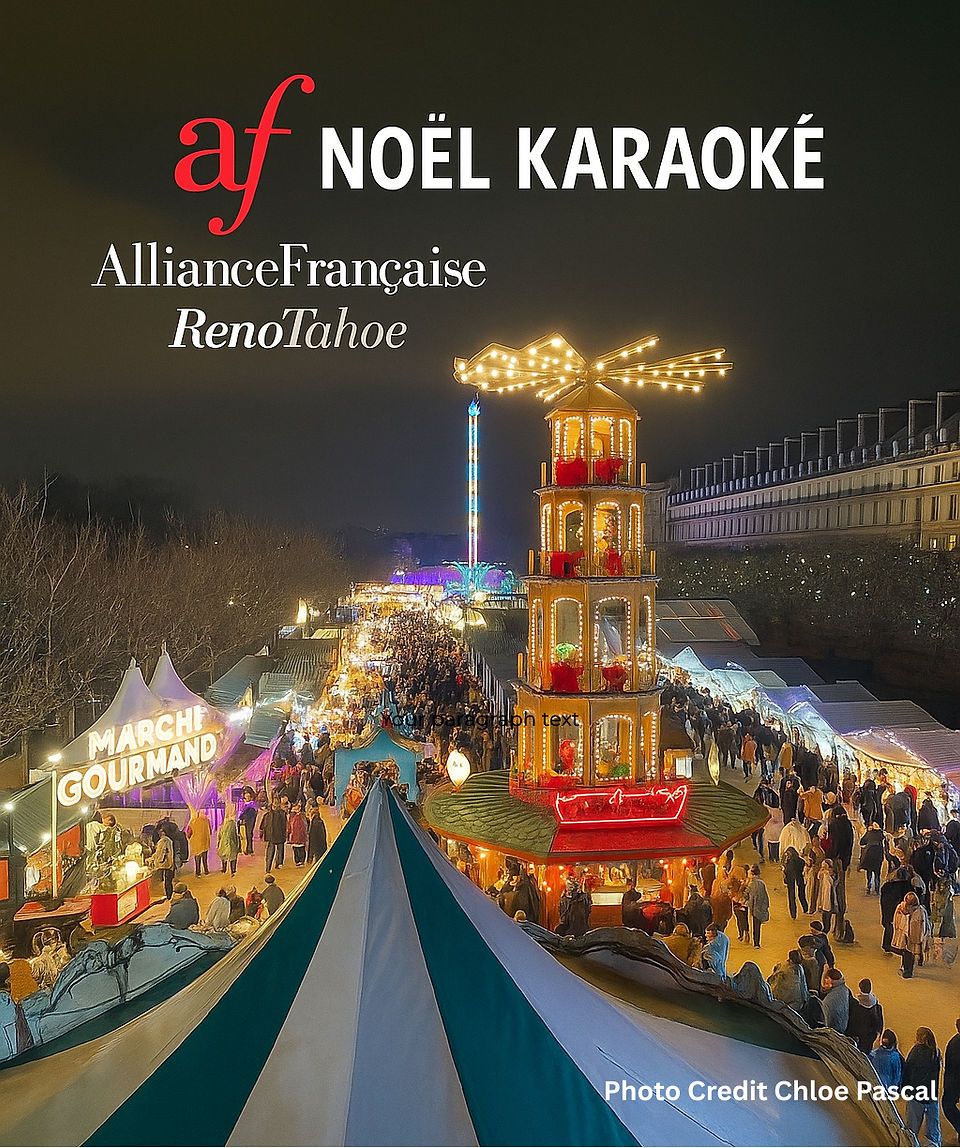
Many towns host Christmas markets (marchés de Noël), where locals buy gifts, decorations, and seasonal treats. These markets create a festive atmosphere with lights, music, and artisan crafts.
Christmas Celebrations in the United States
Christmas in the United States is a blend of religious and secular traditions, often focused on family, gift-giving, and festive decorations.
Family Gatherings and Gift Exchange
American families typically celebrate on Christmas Day with a morning gift exchange followed by a large meal. The holiday is often centered around children, with stockings hung by the fireplace and visits from Santa Claus. The excitement of opening presents is a highlight for many families.
Traditional Foods
The American Christmas meal varies by region and family but often includes:
Roast turkey or ham: Common main dishes.
Mashed potatoes and gravy: Classic side dishes.
Stuffing or dressing: Made with bread, herbs, and sometimes sausage.
Pumpkin or pecan pie: Popular desserts during the holiday season.
These foods reflect a hearty, comfort-food style of celebration.
Decorations and Festivities
American homes are known for elaborate Christmas decorations, including brightly lit trees, wreaths, and outdoor light displays. Many neighborhoods hold holiday light tours where families drive or walk to admire the decorations. Public events such as tree lighting ceremonies and parades are common, creating a strong community spirit.
New Year's Traditions in France
In France, New Year's Eve, known as La Saint-Sylvestre, is a lively celebration marked by parties and special meals.
Festive Meals and Toasts
The French enjoy a festive dinner similar to Christmas, often featuring seafood, foie gras, and champagne. The meal is followed by toasts at midnight, wishing health and happiness for the year ahead.
Unique Customs
One notable tradition is the exchange of New Year's cards (cartes de vœux), which are sent to friends and family throughout January. This custom emphasizes maintaining personal connections and expressing good wishes.
Public Celebrations
In cities like Paris, people gather near landmarks such as the Champs-Élysées to watch fireworks and enjoy street parties. The atmosphere is joyful but tends to be more refined than the often rowdy celebrations seen elsewhere.
Comparing Family and Social Aspects
Both countries value family during the holidays, but the style of gatherings differs.
France emphasizes intimate, formal dinners with extended family, often centered around religious observances.
The U.S. tends to focus on casual, festive gatherings that include friends and neighbors alongside family.
In both places, the holidays are a time to reconnect and celebrate shared traditions.
Decorations and Public Festivities
Decorations play a big role in setting the holiday mood.
French decorations often highlight nativity scenes and elegant, understated Christmas trees.
American decorations are known for their bright lights, elaborate displays, and outdoor decorations that sometimes cover entire neighborhoods.
Public festivities in France lean toward markets and cultural events, while in the U.S., parades, concerts, and large-scale public countdowns dominate.
Food as a Cultural Expression
Food reveals much about each country’s holiday spirit.
French holiday meals showcase luxury and tradition, with dishes prepared carefully and enjoyed slowly.
American holiday meals focus on comfort and variety, often featuring large portions and familiar favorites.
Both cuisines highlight the importance of sharing food as a way to bring people together.
Final Thoughts on Holiday Traditions
Exploring Christmas and New Year's celebrations in France and the United States shows how culture shapes the way people mark important moments. France blends religious reverence with gourmet meals and elegant customs, while the U.S. embraces a lively, inclusive spirit with bold decorations and festive parties.
Whether you prefer the refined charm of a French Christmas market or the bright energy of an American holiday light display, both countries offer rich traditions that celebrate family, joy, and hope for the future.


Comments